How to Style a Warm Minimalist Home in Bengaluru (Without It Feeling Empty)
A lot of people hear "minimalist" and picture something cold and bare, a white box with one grey sofa and nothing else. That's not what's actually catching on in Bengaluru right now. What homeowners here are choosing is a warm minimalist home, a look that's uncluttered but still feels lived-in and inviting. Here's how to actually pull it off, room by room, without your home ending up feeling empty instead of calm.
First, Know What You're Aiming For
Uncluttered home interiors don't mean bare interiors. The goal isn't fewer things for the sake of fewer things, it's choosing pieces that earn their place and giving them room to be seen. A warm minimalist decor approach leans on natural materials, soft neutral tones, and a handful of earthy accents rather than a strict black-and-white palette.
Living Room: Start With the Anchor Pieces
Don't start with accessories, start with your biggest piece. A modern sofa in a soft neutral fabric, or a wooden sofa set with visible natural grain, does more to set the tone than any cushion or throw ever will. Once that's in place, add a modern coffee table with rounded edges rather than sharp corners, and resist the urge to fill every remaining inch with decor.
Bedroom: Keep It Calm, Not Bare
A modern bed with a low, simple headboard in natural wood keeps the room feeling grounded. Pair it with a storage bed base if you need the extra space, since hidden storage keeps the room's surfaces clear without you having to own less. Skip the matching bedside lamps and heavy curtains that stark minimalism sometimes leans on, and opt for one warm-toned lamp and simple linen drapes instead.

Dining Area: Let the Wood Do the Talking
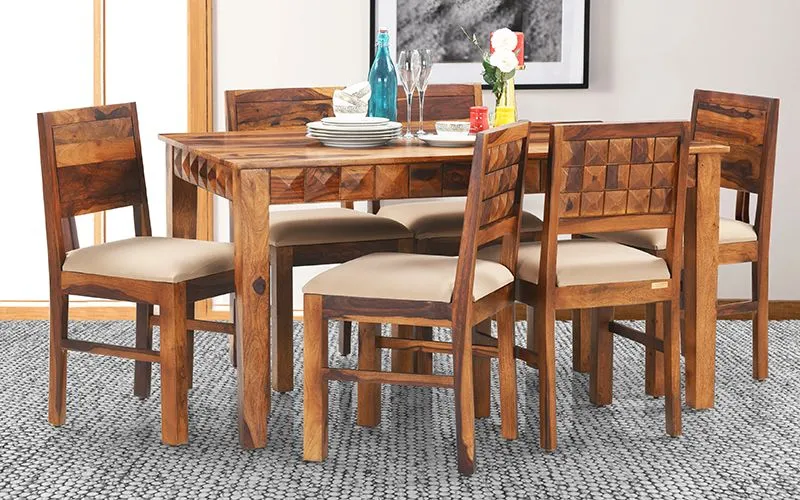
A wooden dining table in a matte, natural finish, paired with modern dining chairs in a neutral weave or fabric, is often the single piece that makes a dining area feel warm, minimalist rather than just empty. Avoid glass-top tables here if you're going for this look, they tend to read as cold rather than calm.
Workspace Corner: Function Without Visual Noise
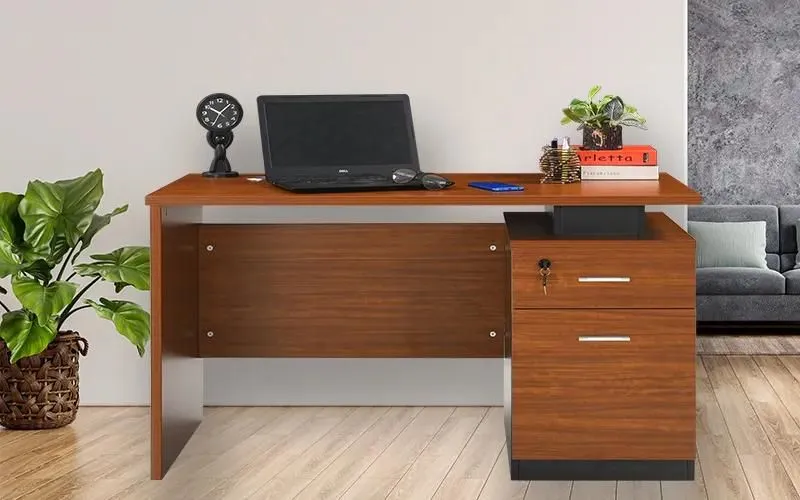
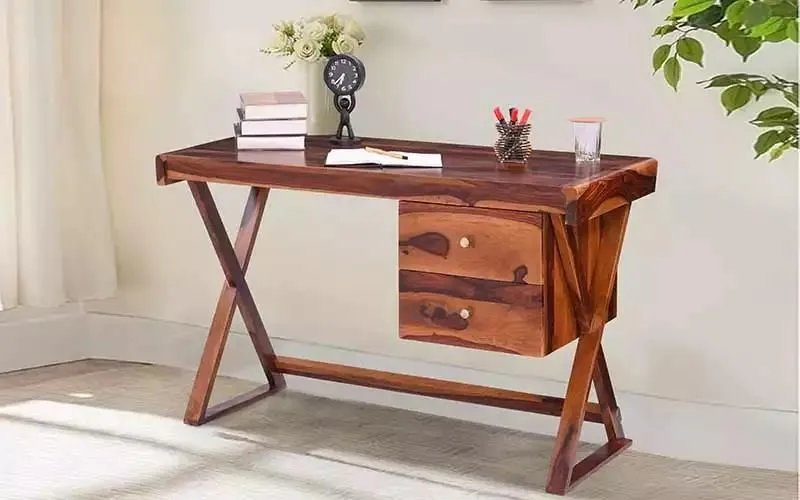
A modern study table in the same wood tone as your other furniture keeps a home office corner from looking like a bolted-on afterthought. Choose one with closed storage so cables and files don't sit out in view.
Common Mistakes That Break the Look
Going too cold: swapping every warm material for glass, chrome, or stark white kills the "warm" part of warm minimalism.
Going too bare: removing so much that the room feels unfinished rather than calm.
Mixing too many wood tones: stick to one or two complementary wood finishes across a room rather than a different tone for every piece.
What This Looks Like Across a Bengaluru Home
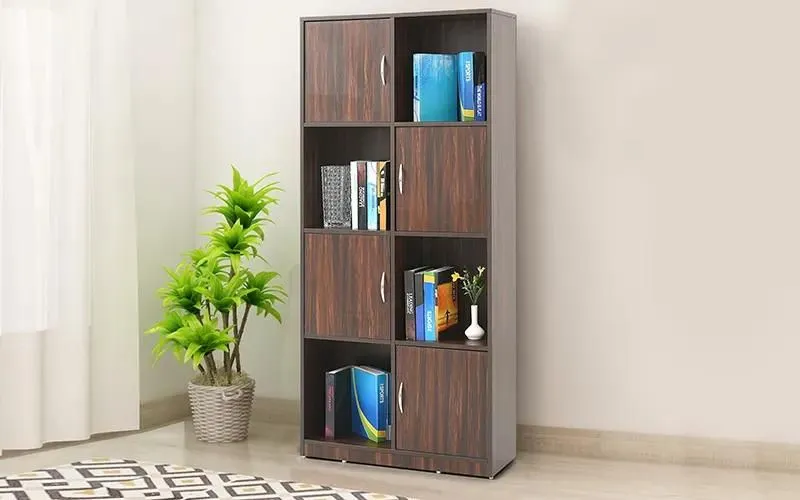
Furniture for modern Bengaluru homes in this style usually follows the same pattern room to room: one or two anchor pieces in natural wood furniture, a restrained neutral base, and a small number of earthy accents rather than a lot of small decorative objects. It's a look that tends to suit Bengaluru's smaller apartment layouts particularly well, since it avoids visual clutter without making the space feel unfinished.
Frequently Asked Questions
Q1: What is the 70/30 rule in interior design?
The 70/30 rule means using one main design style or colour for about 70% of a space and a complementary style or colour for the remaining 30%.
Q2: What are common minimalist decor mistakes?
Common mistakes include using too much empty space, choosing uncomfortable furniture, adding too many similar colours, or removing useful storage and functional pieces.
Q3: Is minimalism still popular in 2026?
Yes, minimalist interiors remain popular in 2026, with a growing focus on warm colours, natural materials, comfortable furniture, and functional spaces.
Q4: What makes a home look cheap?
Clutter, poor lighting, mismatched furniture, excessive décor, and low-quality finishes can make a home look less polished.
Q5: What color makes a house look expensive?
Warm white, beige, greige, taupe, and soft earthy tones can create an elegant and sophisticated look.
Q6: What are the three F's of interior design?
The three F's are Function, Flow, and Focal Point, which help create a practical, comfortable, and visually balanced space.