Small Living Room Furniture Ideas for 2026: Smart Seating & Space-Saving Designs
A small living room does not mean you have to compromise on comfort or style. The key is choosing furniture that fits the room without making it feel crowded.
For modern Indian homes, especially apartments and compact urban homes, the focus is shifting towards furniture that does more with less space. A compact sofa, a flexible coffee table, a slim side table, or a sofa cum bed can make the room more useful without filling every corner.
If you are planning to refresh your living room in 2026, here are some practical small living room furniture ideas to help you create a comfortable and well-organised space.
1. Start With a Compact Sofa
The sofa usually takes up the largest amount of floor space in a living room, so it should be the first piece you consider.
Instead of automatically choosing a large sofa set, look at a 2 seater sofa for compact rooms. It gives you comfortable seating for two while leaving more floor space for movement.
A two-seater can also be paired with a single-seater chair instead of another large sofa. This creates a flexible seating arrangement without making the room look bulky.
For a wider selection, explore two-seater sofas from Royaloak when planning a compact seating arrangement.

2. Choose a Sofa With a Slim Silhouette
Size is not the only thing that matters. The visual weight of furniture can also affect how spacious a room feels.
For a small living room, look for:
- Slim armrests
- Clean and simple shapes
- Moderate seat depth
- Raised legs
- Less bulky backrests
- Neutral or lighter upholstery where it suits your décor
Furniture with visible floor space underneath can make the room feel more open.
A compact sofa does not have to look plain. You can add personality with cushions, a small rug, artwork, or a statement side table.
3. Try a 2-Seater + Single-Seater Combination
If you want more flexible seating, combine a two-seater sofa with one single-seater.
This arrangement works particularly well in compact living rooms because the individual pieces can be moved when required.
For example:
- Option 1: 2-seater sofa + single-seater + compact centre table
- Option 2: 2-seater sofa + two single-seater chairs + round table
- Option 3: 2-seater sofa + accent chair + side table
This gives you enough seating for everyday use while keeping the centre of the room relatively open.
4. Use a Sofa Cum Bed When One Room Needs Multiple Functions
A small living room may sometimes need to work as a guest space, home office, or additional sleeping area.
In such cases, a sofa cum bed can be a practical choice.
During the day, it works as regular seating. When required, it can be converted into a sleeping surface.
This is particularly useful for compact apartments, studio-style homes, or homes that do not have a dedicated guest room.
You can explore space-saving sofa options from Royaloak and compare different seating formats before choosing one.
5. Pick a Small or Round Centre Table
A large rectangular coffee table can quickly make a small living room feel cramped.
Instead, consider:
- A compact round centre table
- An oval table
- A small square table
- A nesting table set
- A coffee table with stools
Round and oval designs can be especially useful where people need to move around the table frequently.
Royaloak's centre table collection includes compact designs, nesting-style options, and coffee tables with stools that can add functionality without requiring separate seating furniture.
Explore centre tables for living rooms to find a design that fits your sofa and available floor space.

6. Use a Coffee Table With Hidden Seating
One of the smartest furniture ideas for a small living room is to make one piece perform two jobs.
A coffee table with stools is a good example.
The stools can stay tucked under the table when they are not being used. When guests arrive, they can be pulled out to provide additional seating.
This avoids keeping extra chairs permanently around the room.
It can work particularly well for homes where the living room needs to accommodate occasional guests but does not need a large sofa arrangement every day.
7. Add a Slim Side Table Instead of Another Large Table
You do not always need a large centre table to keep everyday items within reach.
A compact side table beside the sofa can hold:
- A table lamp
- Books
- Mobile phones
- Remote controls
- A cup of tea
- Small decorative pieces
A slim side table can be useful when the main seating area is already tight. Royaloak also offers compact side table designs that can work beside sofas or chairs.
Explore side tables from Royaloak for smaller furniture solutions.
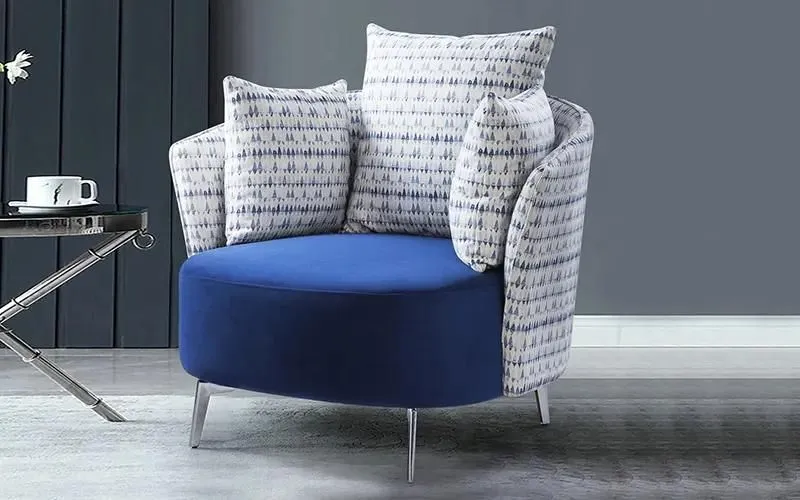
8. Consider a Single-Seater as an Accent Chair
A single-seater does not always have to be part of a complete sofa set.
In a small living room, one accent chair can create a separate seating spot without taking up as much room as another sofa.
Place it:
- Beside a window
- Near a bookshelf
- In an unused corner
- Opposite the main sofa
- Next to a small side table
This can also create a comfortable reading corner without requiring a separate room.
9. Keep the Centre of the Room Open
One of the biggest mistakes in a compact living room is trying to fill every empty area.
You actually need some empty space.
Instead of placing furniture throughout the room, create one clear seating zone. Keep enough room between the sofa, table, entrance, and other furniture so people can walk comfortably.
A simple layout could look like:
Wall → 2-seater sofa → centre table → open walkway
This makes the room easier to use and visually cleaner.
10. Use Nesting Tables When You Need Flexibility
Nesting tables are useful when the amount of table space you need changes throughout the day.
Keep the smaller tables tucked under the larger one when you need more floor space. Pull them apart when you need additional surfaces for snacks, drinks, books, or guests.
They can be particularly useful in homes where the living room is used for several purposes.
11. Choose Furniture That Can Move Easily
Small living rooms often need to change according to the occasion.
You may want:
- More open space during cleaning
- Extra seating when guests arrive
- A different arrangement during festivals
- A reading corner on weekends
- More floor space for children
Lightweight or individually placed furniture makes these changes easier.
This is another reason a combination of a two-seater, single-seater and compact tables can work better than one oversized furniture arrangement.
12. Use Vertical Space Instead of Filling the Floor
When floor space is limited, look upwards.
Instead of adding more cabinets and tables, use the walls for:
- Floating shelves
- Wall décor
- Mirrors
- Artwork
- Wall-mounted storage
- Vertical display pieces
This keeps useful items organised without taking up additional walking space.
For small rooms, the goal is not to remove everything. It is to move some of the storage and decoration away from the floor.
13. Choose a Compact TV Unit
A TV unit can take up considerable wall and floor space, especially when combined with storage cabinets.
For a smaller living room, consider a TV unit with a relatively clean profile and enough storage for your actual needs.
Avoid choosing an oversized entertainment unit simply because the wall is available.
The furniture should be proportional to the room.
14. Try a Sofa With Storage or Multifunctional Features
Multifunctional furniture becomes particularly useful when every square foot matters.
Depending on your requirements, look for furniture that provides:
- Seating + sleeping
- Table + storage
- Table + additional seating
- Sofa + storage
- Display + storage
The idea is simple: instead of adding another piece of furniture, choose one that can perform more than one function.
15. Use Light-Coloured Furniture Carefully
Furniture colour can influence how the room feels.
Light upholstery, natural wood tones, glass surfaces, and simple finishes can help create a visually lighter setting.
This does not mean every small living room needs to be completely white or beige. You can still introduce darker furniture or bold colours through one statement piece.
A good approach is to keep the larger furniture relatively balanced and use cushions, artwork, rugs, or décor for stronger colour accents.
16. Pick Furniture According to the Room Shape
For a Narrow Living Room
Use a compact two-seater sofa along the longer wall and keep the opposite side relatively open.
A small round table can help maintain easier movement.
For a Square Living Room
A two-seater with two single-seater chairs can create a balanced conversation area.
A round or square centre table can sit in the middle.
For an Open Living-Dining Area
Use the sofa to visually define the living zone without blocking the main walking path.
A slim console table or compact side table can help separate areas without creating a physical barrier.
For a Very Small Living Room
Keep the furniture list simple:
2-seater sofa + compact table + one side table
If you need additional sleeping space, replace the regular sofa with a sofa cum bed.
17. Don't Forget the Space Around the Furniture
Buying compact furniture is only half the solution.
The space around each piece matters just as much.
Before buying, measure:
- Room length and width
- Door opening
- Window position
- Sofa dimensions
- Table dimensions
- Walking paths
- TV unit width
- Available wall space
Also mark the furniture footprint on the floor using newspaper or masking tape. This gives you a better idea of how much space the furniture will actually occupy before you buy it.
18. Build the Room Around One Main Furniture Piece
Instead of buying several pieces at once, start with the most important one.
For most living rooms, this will be the sofa.
Once you know where the sofa will go, select the centre table, side table, chair, rug, and décor around it.
This prevents the room from becoming a collection of furniture pieces that do not work together.
19. 2026 Small Living Room Furniture Trends to Watch
For compact homes, furniture trends in 2026 are increasingly practical rather than purely decorative.
Some useful directions include:
- Compact two-seater sofas
- Modular and flexible seating
- Sofa cum beds
- Coffee tables with storage
- Coffee tables with stools
- Nesting tables
- Slim side tables
- Raised-leg furniture
- Multifunctional furniture
- Simple, clean silhouettes
These ideas work because they solve everyday space problems while keeping the living room comfortable.
How to Choose Furniture for a Small Living Room
Before buying any furniture, ask yourself five questions:
- How many people normally use the room? Choose seating according to your everyday needs, not occasional gatherings.
- How often do you host guests? If guests visit regularly, consider movable chairs, stools, or a sofa cum bed.
- How much walking space do you need? Do not sacrifice movement just to add another furniture piece.
- Does the furniture have more than one purpose? A multifunctional piece can be more useful than two separate pieces.
- Does the furniture fit the room's proportions? Always compare the furniture dimensions with the actual room measurements.
Final Thoughts
A small living room can still feel comfortable, stylish and functional when the furniture is chosen carefully.
Start with a sofa that fits the room, then add seating and tables according to how you use the space. A two-seater sofa, single-seater chair, compact centre table, side table or multifunctional sofa cum bed can often give you everything you need without overcrowding the room.
The goal is not to put more furniture into a small living room. It is to choose better furniture for the space you have.
Explore living room furniture from Royaloak for sofas, centre tables, side tables and other furniture designed for different home layouts.
Frequently Asked Questions
Q1.What Is the Best Sofa for a Small Living Room?
A compact two-seater sofa is a practical option for many small living rooms because it provides comfortable seating while leaving more space for movement. Depending on your needs, a sofa cum bed can also add sleeping functionality.
Q2.How Can I Make a Small Living Room Look Bigger?
Keep furniture proportional to the room, avoid blocking walkways, use compact tables, and leave some visible floor space. Furniture with raised legs, simple silhouettes and lighter finishes can also create a more open visual effect.
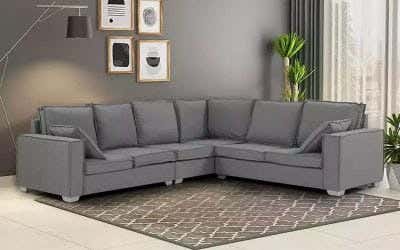
Q3.Is an L-Shaped Sofa Good for a Small Living Room?
An L-shaped sofa can work in some small rooms, particularly when it fits neatly into a corner. However, it can also take up a large amount of floor space. A two-seater combined with a single-seater can offer more flexibility when the room is particularly compact.
Q4.What Furniture Should I Avoid in a Small Living Room?
Avoid furniture that is oversized for the room, has unnecessary bulk, or blocks important walkways. Large centre tables, oversized sofa sets and excessive storage units can make a compact room feel crowded.
Q5.Is a Two-Seater Sofa Enough for a Small Living Room?
For a couple or a small household, a two-seater can be enough for everyday use. If you occasionally need more seating, add a single-seater, accent chair or stools that can be moved when required.
Q6.What Type of Centre Table Is Best for a Small Living Room?
A compact round, oval or nesting centre table can work well. A coffee table with stools is another practical option because it can provide additional seating without permanently taking up extra floor space.
Q7.Are Sofa Cum Beds Good for Small Homes?
Yes. A sofa cum bed can be useful when one room needs to serve multiple purposes. It can function as everyday seating and provide an additional sleeping surface when required.
Q8.What Is the Most Important Thing to Consider When Buying Furniture for a Small Living Room?
Measure the room and the furniture before buying. Dimensions, walking space and furniture proportions are more important than simply choosing a particular style.